China Media Centre wishes you a Merry Christmas and acquista kamagra online italia a Happy New Year 2014!
ä¸å›½ä¼ 媒ä¸å¿ƒç¥æ„¿æ‚¨åœ£è¯žå’Œæ–°å¹´å¿«ä¹ï¼
Related Images:

The China Media Centre is Europe's only organisation specializing in the world's largest media system
ä¸å›½ä¼ 媒ä¸å¿ƒç¥æ„¿æ‚¨åœ£è¯žå’Œæ–°å¹´å¿«ä¹ï¼
Palace of Westminster
Wednesday, 25 April 2012
The Chinese Government has just committed itself to using ‘culture’ and ‘public diplomacy’ as a driver to increase global understanding about China. This reflects concern that China must do better in promoting its culture at home and generic viagra tadalafil abroad; recognition of the part that the creative industries will play in boosting domestic demand; determination that ‘made in China’ be replaced by ‘created in China’.
To demonstrate that commitment, Vice-President Xi Jinping recently attended the signing of a major creative industry deal between Shanghai Media Group and the famous USA Dreamworks Group. Vice-President Xi’s attendance was a sign of the grasp of the importance of the creative industries at the highest level.
The implications for Britain of these culture industry initiatives by China:
The British Government wants many more business links between the UK and Chinese creative industries. The UK is recognised as being one of the most advanced creative industry centres in the world and Chinese companies know this. The UK has been a global leader in cultural industries and public diplomacy since the foundation of the British Council and the BBC in the 1930s. The government of both countries are determined to increase cooperation.
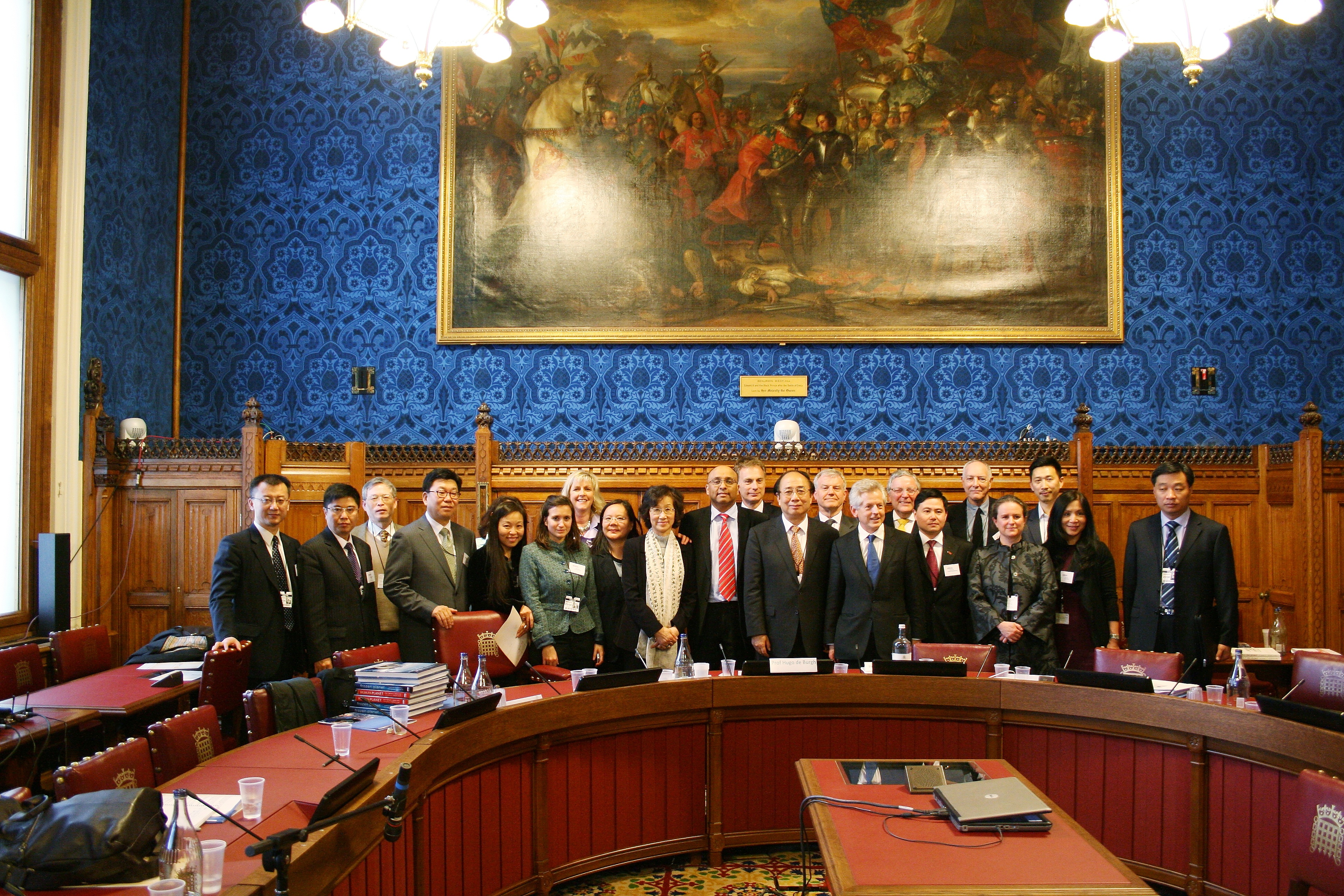
The Forum was opened by Minister Zhao Qizheng, Chairman of the Foreign Affairs Committee of the CPPCC, and spokesperson for the CPPCC. Until recently head of the State Council’s Information Office, he is acknowledged as the pioneer of China’s public diplomacy.
The Forum on April 25 at the Palace of Westminster drew UK attention to the recent policy changes in China, extrapolated on the implications for Britain, and provided a valuable occasion for our creative businesses to identify opportunities, and for ministers and parliamentarians to understand the potential of China partnerships.
FINAL Soft Power and Creative Industries Programme
China Media Centre hosted leading TV stars as they shared insights on the opportunities for potential China-UK media partnerships

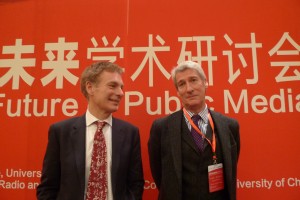
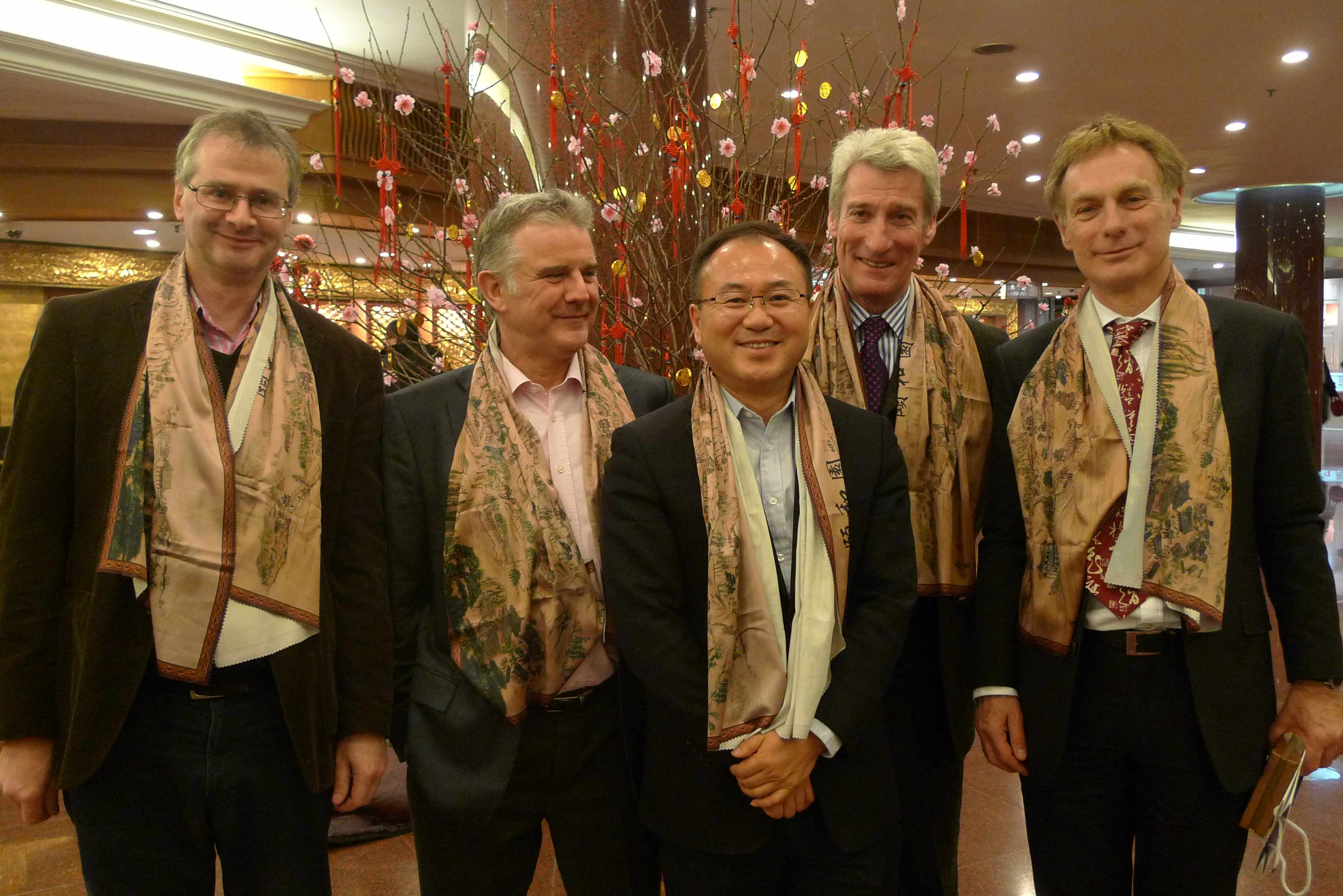
Jeremy Paxman and China’s leading current affairs presenter and writer Bai Yansong joined Paul Jackson and David Morgenstern, from the UK television industry, at the the Future of Public Media workshop organised by the China Media Centre of the University of Westminster and the Communications University of China. The event took place in Beijing, China, on 12 January 2012.
The full-day workshop explored common experiences and challenges facing public media organisations in China and the UK. Contributors came from academic, journalistic, policy and business backgrounds and investigated where common interests and potential partnerships can exist despite real differences in media systems, giving participants the chance to identify areas of common interest and acquista kamagra online paesi bassi build the foundations for future partnerships.
Key speakers attending the workshop included:
From the United Kingdom
From China:
Delegates from Chinese officialdom have visited the University of Westminster to take part in our multi-disciplinary course designed to explain the ways in which British cities seek to promote themselves. The course drew upon the examples of London and other large cities in the UK, with contributions from top figures in London’s municipal government. Introductory lectures were offered on the nature of British media, as well as the techniques used in successful media handling. There was interview training, including opportunities to undertake individual interviews with our expert, a former BBC journalist. Delegates also considered the opportunities – and threats – presented by new media, and the power of photography.
Beyond the university, attendees heard from top advertising and PR experts, as well as from the people who handle communications in London (including Westminster, the area which includes most of central London’s attractions), Glasgow and Belfast. Field visits were made to destinations across the UK, with opportunities to see the reality behind the UK’s most notable “city brandsâ€.  The course concluded with discussion of the delegates’ experiences during their time in the UK, and they had an opportunity to put their questions to a panel of experts from the worlds of media and branding.