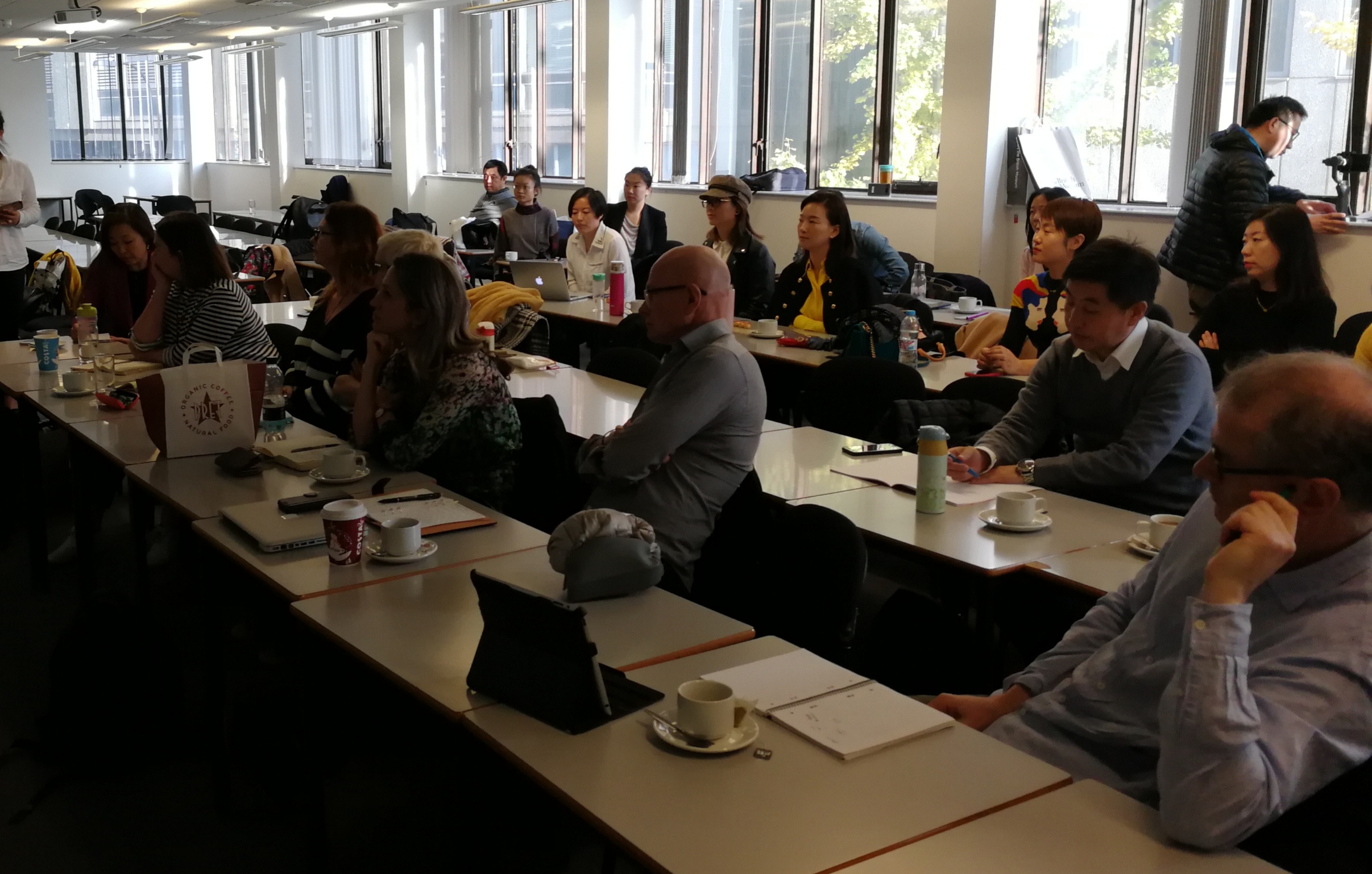
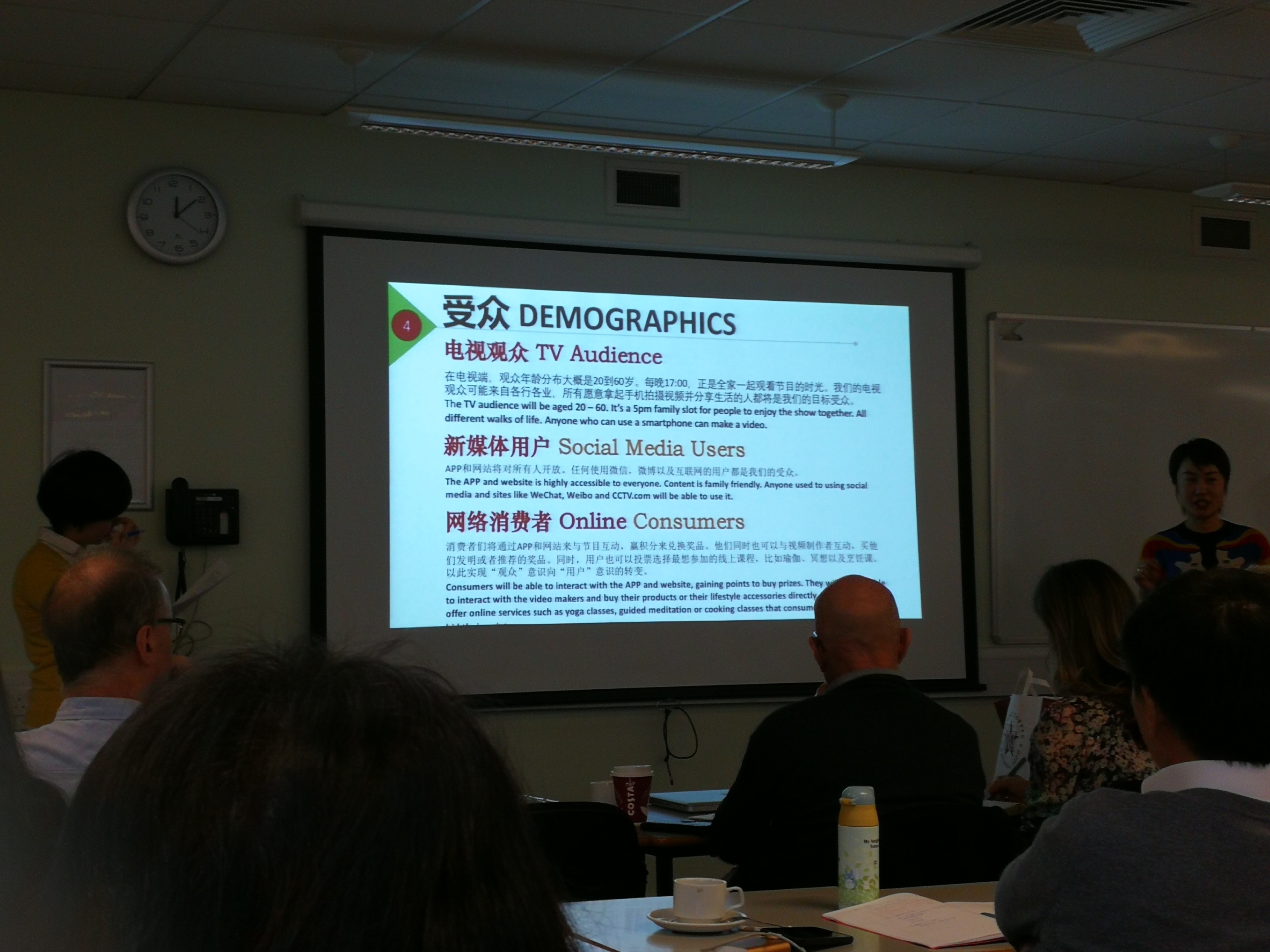
China Media Centre 2019 Spring Seminar: Surviving the digital age: a close look at how one international Chinese language media – BBC Chinese is tackling digital transformation

Speaker: Howard Zhang 张晧宇

Date: Wednesday, 6 March 2019

Time: 14:00 – 16:00

Venue: A1.10, Harrow Campus

Eventbrite link: https://www.eventbrite.co.uk/e/surviving-the-digital-age-a-close-look-at-how-one-international-chinese-language-media-bbc-chinese-tickets-57404287770 

Chair: Professor CHANG Xiangqun

OPEN TO ALL


Abstract: Rapidly changing audience, audience habits and farmacia en linea alemania levitra consumption patterns pose major challenges for all traditional media outfits. Market forces and changing audience aside, international media, especially traditionally public-funded international Chinese language media face its own unique set of challenges such as a political, cultural and commercial sensitivity, as well as blockage and market entry difficulties in Mainland China. How does an international Chinese media institution adapt and stay relevant in the digital world? In this presentation, the Editor-in-Chief of BBC Chinese Service Howard Zhang will share some of his observations and practical experiences on how the BBC as a whole as well as BBC’s Chinese language service are adapting to the digital world.

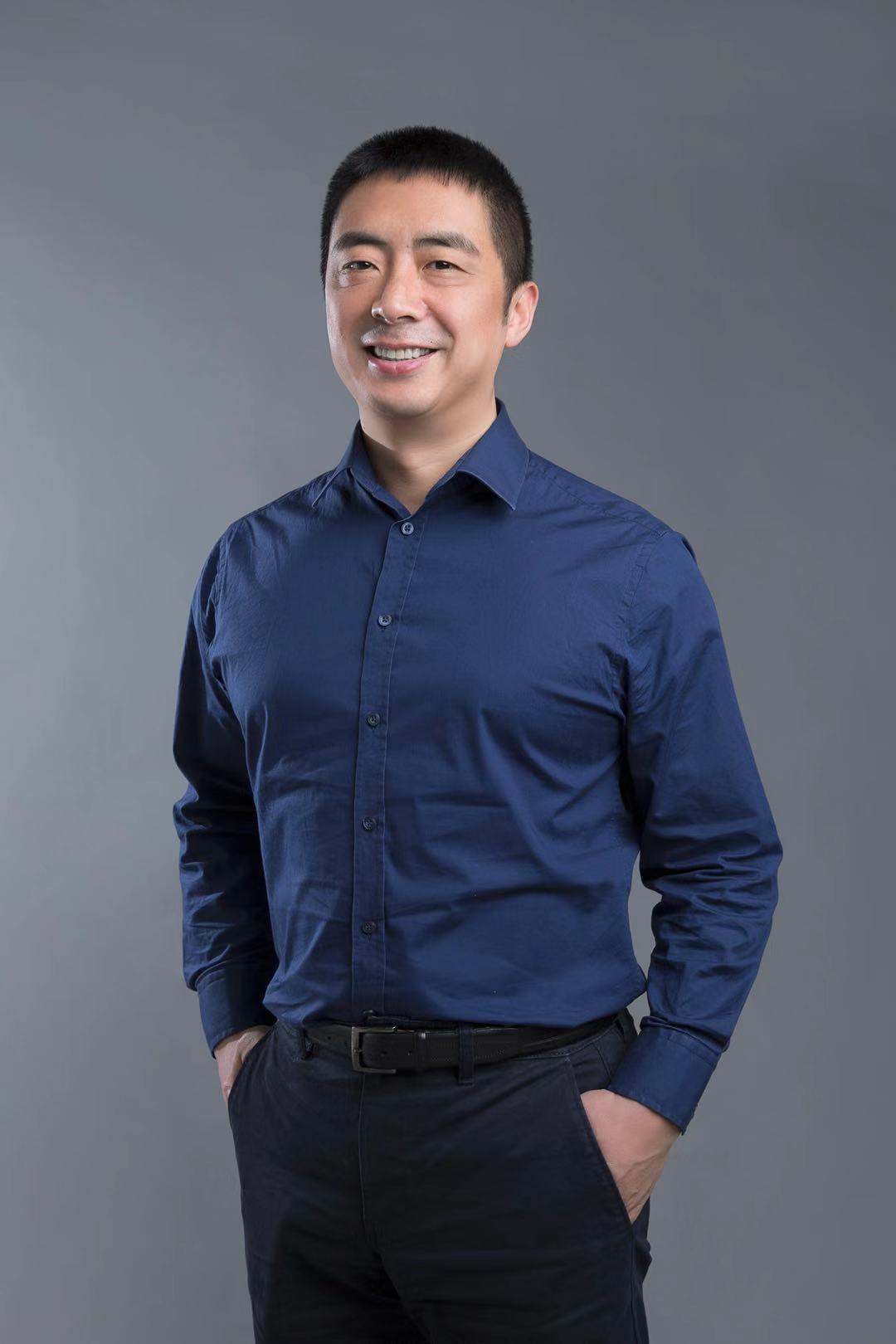
Howard Zhang

Officially appointed Editor-in-Chief of BBC Chinese in January 2017, Howard Zhang is tasked with transforming BBC Chinese into a service fit for the challenges of digital age.  He is a seasoned journalist who first joined the BBC back in 2000, with years of experience in field interviews, and in radio, TV and digital content production. Prior to joining the BBC, he worked for a number of media organisations in Canada.

Related Images:

China Media Centre 2019 Spring Seminar: Three Dimensions to Understand a Community for a Shared Future for Humankind

Speaker: WANG Yiwei

Date: Wednesday, 13 February 2019

Time: 14:00 – 16:00

Venue: RS 152 (Cayley Room), 309 Regent Street, W1B 2HT

Chair: Professor CHANG Xiangqun
OPEN TO ALL

Eventbrite link: https://www.eventbrite.co.uk/e/three-dimensions-to-understand-a-community-for-a-shared-future-for-humankind-tickets-54972092007

Abstract: The first sentence of Chinese classic novel Romance of the Three Kingdoms says, “This world will separate after long time united. Also, will do the opposite after long time splitting.” Today’s world surfs too much separation: populism, nationalism and order levitra 120mg extremism…How to achieve unity in diversity? The Belt and Road Initiative and Community of Shared Future for Humankind as two coins of one silver of Chinese traditional he/he (和合, harmony) culture, were put forwarded by Chinese president Xi Jinping in recent years, to go beyond the European approach of high-standard (rigid uniformity; sovereignty transferring), US approach of exclusiveness and modern Human centered doctrine while seeking common or shared values of all nations, NGOs, etc. There are three dimensions to understand Community of Shared Future for Humankind: historically, activating shared traditions of lasting peace, common security; Presently, shaping common prosperity and open/ inclusive international system; in the future, building a green and sustainable world, seeking global dynamic consensus in AI revolution and global commons. The Community of Shared Future for Humankind is also rebuilding Chinese Communist Party from revolution to construction, from internationalism to globalism.

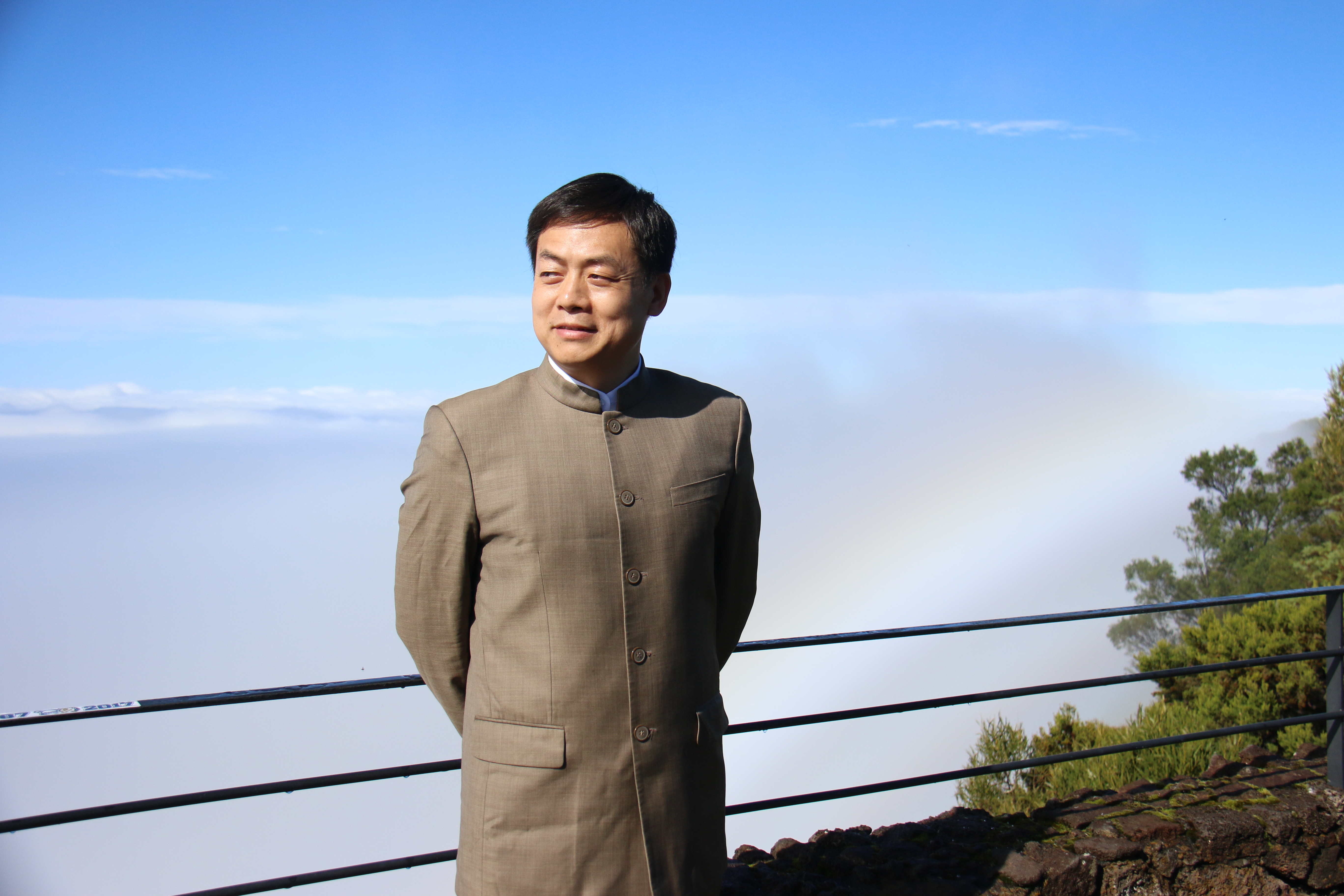
Professor WANG Yiwei   

WANG Yiwei is Jean Monnet Chair Professor, Professor of the School of International Studies and cialis sans ordonnance france Senior Fellow of the Chongyang Institute for Financial Studies (RDCY), Director of the Institute of International Affairs and Director of the Center for EU Studies at Renmin University of China. He is also Director of the China-Europe Academic Network (CEAN) and Senior Research Fellow of the Charhar Institute. He was formerly a distinguished Professor of Tongji University (2011-2012), diplomat at the Chinese Mission to the European Union (2008-2011) and Professor of the Center for American Studies at Fudan University (2001-2008), Korea Foundation Distinguished Visiting Professor of Yonsei University (2005) and Fox Fellow of Yale University (2000-2001). He has published more than 200 academic articles on Social Sciences, and published 20 books, including the recent China Connects the World: What Behind The Belt & Road Initiative(2017); The Belt & Road Initiative: What China Will Offer the World in Its Rise, Haishang: Revelations of European Civilization(both in Chinese and English) and China NATO Studies Series. He has written 1000 commentaries at Project Syndicate, Europe’s World, People’s Daily, etc, and attended over 800 forums and conferences, such as Munich Security Conference, Shangri-La Dialogue, Boao Asia Forum, Wilton Park conference, Stockholm China Forum and the Berlin Diplomatic Forum. He is a frequent guest interviewee by the BBC, Financial Times, CCTV/CGTN and other Medias.


Notes: This is also one of the Global China Media Seminar Series (GCMSS), co-organised with Global China Institute.

If you have any inquiry about CMC events, please contact Alja Kranjec at: A.Kranjec@westminster.ac.uk

Related Images:

CCTV PRODUCERS COME IN SEARCH OF UK CREATIVITY AND EXPERTISE FOR THEIR PROGRAMME IDEAS

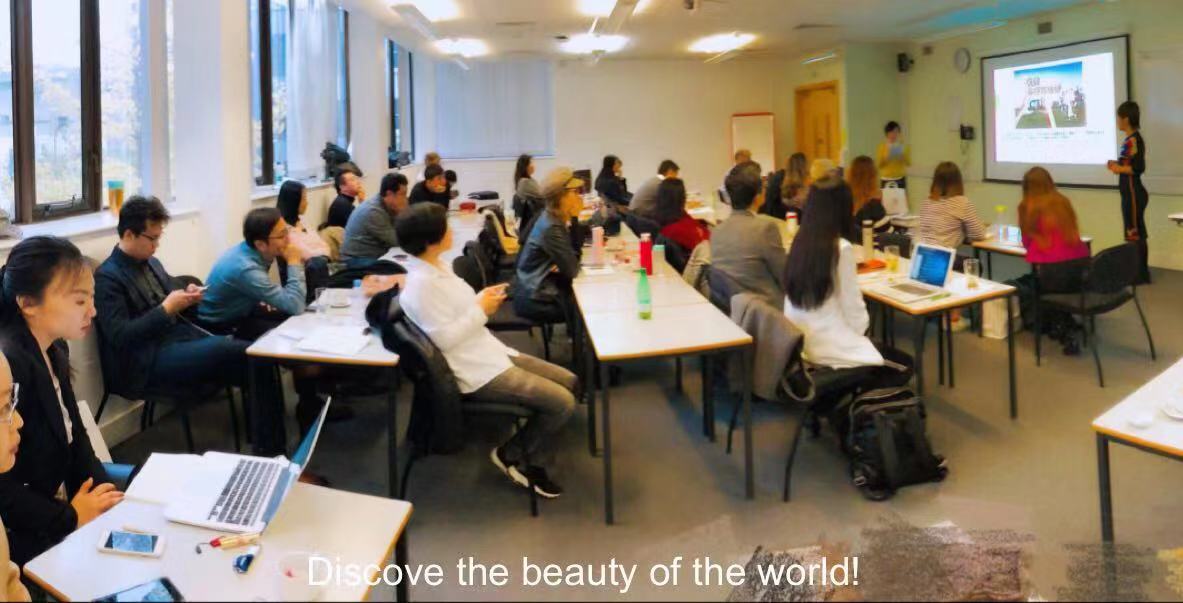
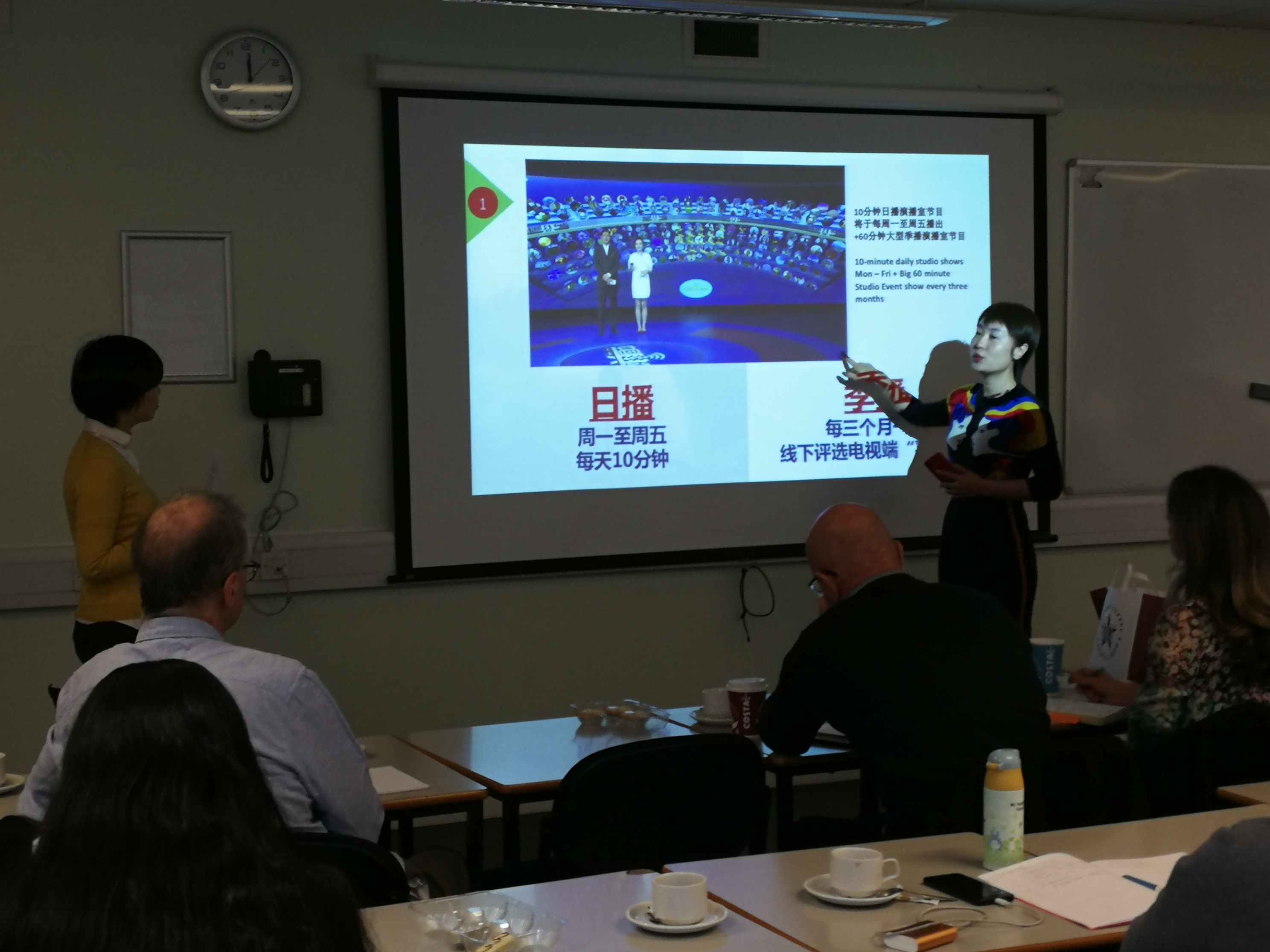
For the past five weeks, 25 senior producers, mainly from the top channels of China Central Television, been hosted by the China Media Centre, as part of its programme of Innovation development courses for Chinese broadcasters.

As well as offering lectures by UK media experts, the course also aims to help the producers develop their new programme ideas, giving each development team a specialist mentor to provide creative and production input. The ideas brought over by the Chinese visitors  this time feature singing, travel, science, natural history, talk, and user-generated content, reflecting the wide range of topics covered by the 16  channels.

The ideas are already at an advanced stage of development, but the team might be looking for a signature element to help the show cut through the competition, or for a way to engage younger viewers, who are increasingly attracted by the offerings of China’s online platforms. So, in truth, their concerns are often very similar to broadcasters the world over.

The job of the mentors is to provide advice and support, without trying to impose UK solutions on Chinese problems. Chinese viewers expect more variation in their formats, with scale and spectacle a key requirement, and celebrities more likely to appear in entertainment and reality shows than members of the public. There are also the more extensive requirements of the government regulator to take into account.

On the final day of the course, the development teams pitch their ideas to each other, with the mentors in attendance to ask questions and offer feedback. The standard is high, and none of the presentations would be out of place in a UK commissioner’s office.


Watching the skill and confidence of the pitching teams, it’s easy to foresee a time when TV formats originated in China will be joining those from Western nations in the global marketplace.

Related Images: